Introduction
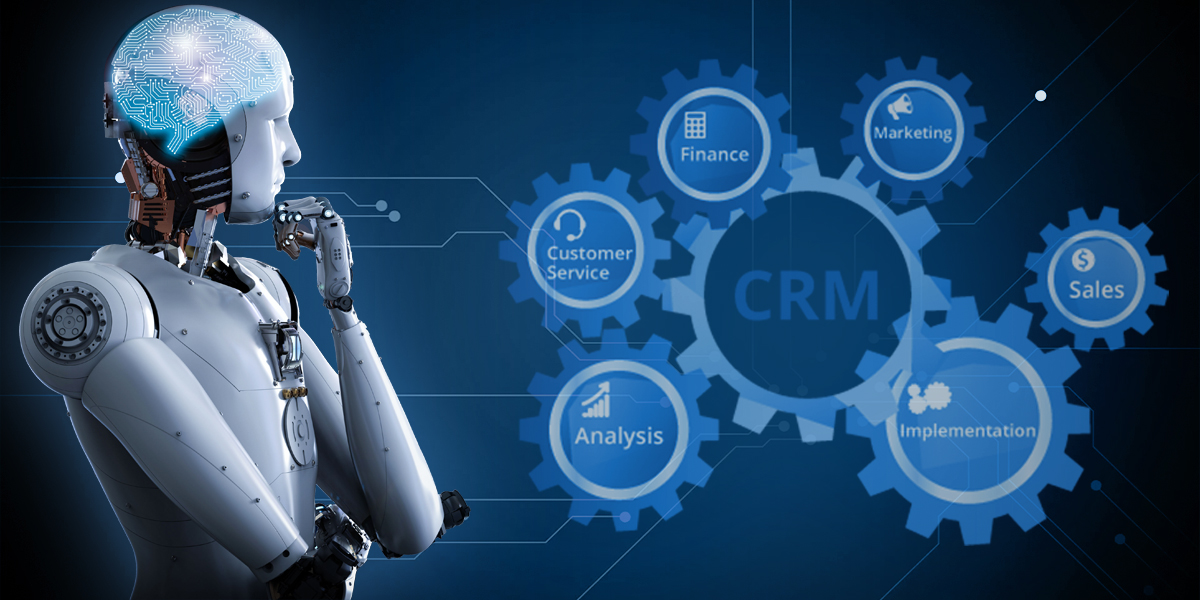
Customer Relationship Management (CRM) has been an integral part of businesses for many years. It helps companies to manage their interactions with existing and potential customers, as well as streamline their sales, marketing, and customer service processes. However, with the advent of Artificial Intelligence (AI), CRM has been taken to a whole new level.
What is AI CRM?
AI CRM is the combination of two technologies: customer relationship management and artificial intelligence. It involves using AI algorithms to automate and enhance various aspects of CRM, including customer data management, lead generation, customer service, and sales forecasting. By leveraging the power of AI, businesses can streamline their CRM processes, improve their customer insights, and personalize the customer experience.
Benefits of AI CRM
AI has the potential to revolutionize CRM by enabling companies to leverage the power of machine learning and natural language processing to analyze and act on customer data in real-time. With AI CRM, businesses can gain deeper insights into customer behavior, preferences, and needs, and deliver personalized experiences at scale.
One of the most significant benefits of AI CRM is its ability to automate routine tasks and processes, freeing up sales and customer service teams to focus on higher-value activities. For example, AI-powered chatbots can handle simple customer inquiries and support requests, while machine learning algorithms can analyze customer interactions to identify patterns and predict future behavior.
Another key advantage of AI CRM is its ability to provide real-time insights and recommendations to sales and marketing teams. By analyzing customer data from multiple sources, AI can identify opportunities for cross-selling and upselling, as well as highlight potential areas of concern or dissatisfaction. This can help businesses to optimize their sales and marketing strategies and improve overall customer satisfaction.
Moreover, AI CRM can also help companies to personalize their communications and interactions with customers. By analyzing customer data such as browsing behavior, purchase history, and social media activity, AI can deliver personalized recommendations and offers that are tailored to each individual customer’s preferences and needs.
AI can analyze customer behavior and preferences to create targeted marketing campaigns that are more likely to resonate with the intended audience.
The Ways AI CRM
Here are some ways in which AI CRM can enhance customer experience:
- Personalization: With AI CRM, businesses can create personalized experiences for their customers. By analyzing customer data, businesses can understand their preferences, purchase history, and behavior. This information can be used to offer personalized recommendations, promotions, and services. For example, Netflix uses AI to personalize the content recommendations for each user based on their viewing history and preferences. This has resulted in a 75% increase in user engagement.
- Predictive Analytics: AI CRM can use predictive analytics to anticipate customer needs and provide proactive support. For example, a business can use AI to analyze customer data to identify potential issues before they arise. This enables them to provide solutions before the customer even realizes there is a problem.
- Chatbots: AI-powered chatbots are becoming increasingly popular in customer service. They can provide quick and accurate responses to customer inquiries and reduce response times. This improves the overall customer experience and frees up customer service representatives to handle more complex inquiries.
- Voice Assistants: Voice assistants like Siri, Alexa, and Google Assistant are also being integrated into AI CRM systems. Customers can use these voice assistants to place orders, track shipments, and receive updates on their accounts.
- Sentiment Analysis: AI CRM can analyze customer feedback to understand their sentiment towards the business. This enables businesses to identify areas for improvement and make changes to enhance customer experience.
- Automating Routine Tasks: AI-powered CRM systems can automate routine tasks such as data entry, scheduling, and reporting. This can help businesses to save time and resources, and also reduce errors associated with manual tasks.
- Sales Forecasting: AI-powered CRM systems can analyze customer data and provide insights on sales trends, customer behavior, and market conditions. This can help businesses to make informed decisions about sales forecasting, inventory management, and pricing strategies.
Challenges of AI CRM
While the benefits of AI CRM are significant, there are also several challenges to consider. One of the main challenges is the need for high-quality data. AI algorithms require large amounts of clean and accurate data to provide meaningful insights. Additionally, there is a risk of overreliance on AI, which can lead to a loss of human touch and empathy in customer interactions.
Implementing AI CRM
To implement AI CRM successfully, businesses need to take a strategic approach. This involves identifying the key areas where AI can be most impactful, investing in the right technology and talent, and continuously monitoring and refining the AI algorithms to ensure accuracy and effectiveness.
Conclusion
AI is revolutionizing CRM by providing businesses with insights and tools to better understand their customers and improve customer experiences. As AI technology continues to evolve, we can expect to see even more advanced AI-powered CRM systems in the future. Businesses that adopt AI-powered CRM will be better positioned to compete in the rapidly changing digital landscape.